


Sri Lanka and Indonesia
Srilanka
FARMS: Kandy Kohtmale, 300 farmers
CULTIVARS: Arabica, Lakparakum (S4711) resistant to coffee rust.
PROCESS: Washed
ALTITUDE: 2000 meters above above sea level
SCA Rating: 83.5 Specialty coffee
EXPORTER: Lanka Coffee
IMPORTER: Lanca Coffee & Special Roast
ROASTER: Special Roast
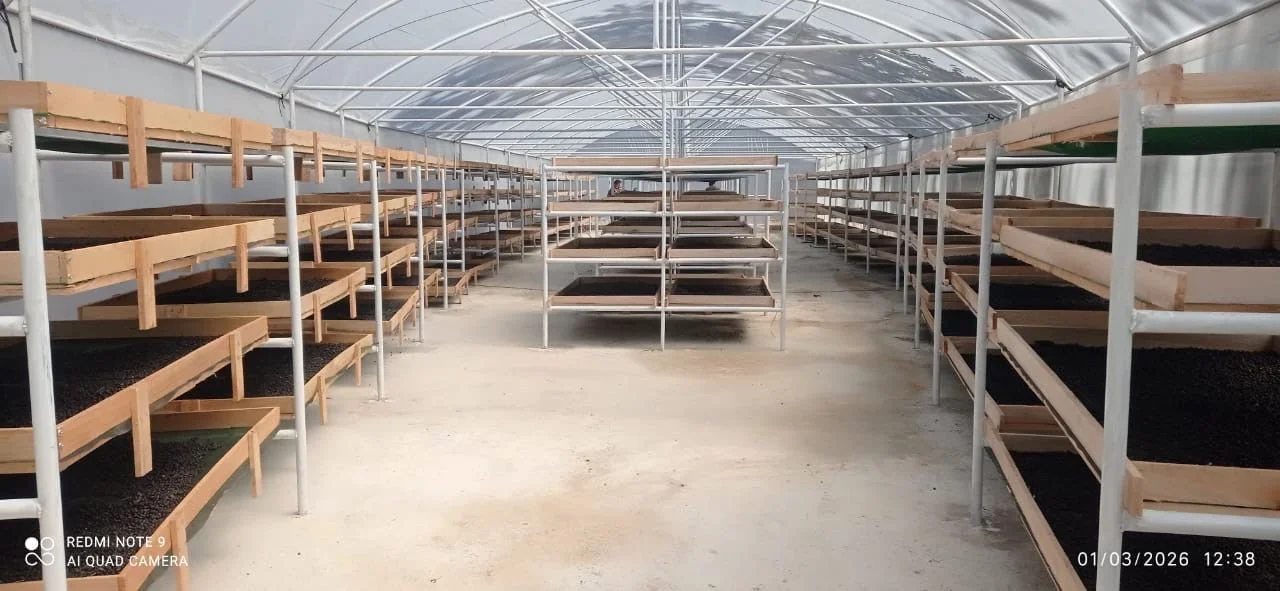
Indonesia.
FARMS: Assosiasi Petani Kopi Manggarai (ASNIKOM)
LOCATION: Rende Nao, East Manggarai (Flores)
CULTIVARS: Unique robusta varieties derived from uncontrolled cross-pollination
EXPORTER: Ontosoroh Coffee
IMPORTER: This Side Up Coffees and Special Roast (Origen buy)
ROASTER: Special Roast

Blending Sri Lanka with Indonesia - coffee specs
What to taste for:
Aroma: dark chocolate, dried berries, herbs, spices.
Body: round mouthfeel with a thick body.
Acidity: hint of orange, grape.
Aftertaste: white pepper, almond, honey.
PROCESSING YOUR COFFEE
The Brazilian coffee is a pulped natural. The combination of altitude and processing results in a jammy, red fruit profile, with lots of sweetness and a dark chocolate backbone. The excellent treatment of the Signature lots give it unrivaled consistency in quality and flavor, year after year. The Indonesian coffee is a natural processed robusta, giving it a very round, sweet and spicy taste, without the hints of tar and rubber so often associated with this type of coffee.
ROASTING YOUR COFFEE
We use a 22kg Probat UG22 roaster, that has been built in 1965. The roast time is 11 minutes. After the first crack, the coffee is roasted for a remainder of 25% of the time. To obtain the best flavor and taste each coffee or blend has a unique roast profile.
Relative price breakdown:
60%
is what the farmers get of the green coffee price in Rotterdam. This is for growing, harvest, milling and preparing the bags for export.
23%
Importing, financing, shipping bureaucracy, sampling and financing costs for This Side Up Coffees.
11%
Exporting by Capricornio in Brazil and Ontosoroh Coffee in Indonesia.
6%
total shipping costs to Rotterdam. Full container loads good forwarding connections warrant such favourable shipping prices.
About the Shri Lanka farmers
The Legacy of Coffee in Kandy Kothmale
The story of coffee in Kandy Kothmale is one of resilience and revival. Once a thriving coffee-producing region, the area faced a devastating blight in the late 19th century that nearly wiped out its coffee plantations. However, the spirit of the coffee farmers remained unbroken, and they adapted by embracing tea cultivation.
In recent years, a renewed interest in coffee has emerged, and Kandy Kothmale is once again witnessing a resurgence of its coffee culture. Smallholder farmers, many of whom are second or third-generation coffee growers, are reviving traditional methods while embracing modern techniques to produce high-quality Arabica coffee beans.
Challenges and Opportunities
While the resurgence of coffee in Kandy Kothmale is a cause for celebration, the farmers face challenges such as fluctuating global coffee prices and the need for sustainable farming practices. However, they are undeterred, driven by their passion for coffee and their commitment to preserving their heritage.
The future of coffee in Kandy Kothmale is bright, as these dedicated farmers continue to cultivate the finest Arabica beans and share their passion with the world. Their story is a testament to the resilience of the human spirit and the enduring power of tradition.
About the Indonesian farmers
The regency of East Manggarai (also known as Flores) is one of the poorest regions of Indonesia. ASNIKOM is a locally owned cooperative and produces both arabica and robusta coffees. For its robustas, it has won several prizes and is renowned as one of the cleanest and nicest out in the world.
They use the same standards and machinery for robusta as they do for arabica, leading to a spicy, very full bodied robusta that is pleasantly bitter because of its caffeine content, sweet chocolaty and very clean. It is a robusta that clearly can change the bad reputation this variety has.